
2026-10-11 · David Chen
Termite Prevention for Georgia Lawns and Foundations
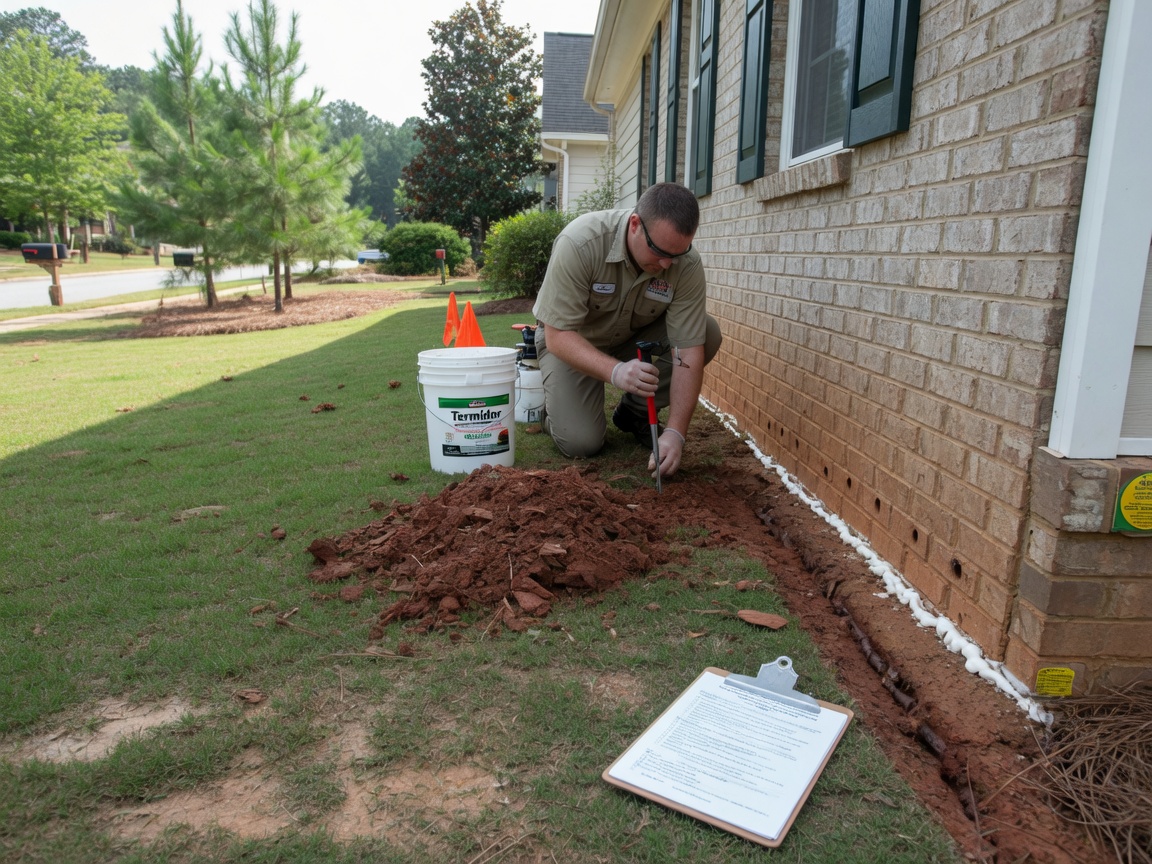
Preventing termites in Georgia lawns and foundations, particularly in Alpharetta, involves a multi-faceted approach focusing on moisture control, eliminating wood-to-soil contact, and regular inspections. Given our humid subtropical climate with hot summers and mild winters, subterranean termites, especially the Eastern subterranean termite, thrive here year-round, making proactive measures essential. Effective prevention means addressing everything from proper drainage around your home's perimeter to selecting appropriate landscaping materials, ultimately safeguarding your property from the significant damage these pests can inflict on homes in areas like Downtown Alpharetta, Avalon, and Windward.
Understanding Alpharetta's Termite Threat
Alpharetta's unique environment, nestled in Fulton County and surrounded by cities like Roswell, Milton, and Johns Creek, creates ideal conditions for termite activity. Our consistently warm temperatures and high humidity, even through mild winters, allow termites to remain active throughout the year, unlike regions with harsher cold seasons. The typical housing stock in Alpharetta, ranging from older homes in Crabapple to newer constructions near Avalon Mall, often features wood framing and foundations that are prime targets. Termites seek out moisture and cellulose, making any damp soil or wood around your home's foundation an open invitation. Recognizing this constant threat is the first step in effective prevention, as it underscores the need for continuous vigilance rather than seasonal checks. You can learn more about specific termite signs by reading our article on Inspecting Your Alpharetta Property for Termite Signs.
Foundation Protection: The First Line of Defense
Your home's foundation is the primary barrier against subterranean termites, which typically enter from the soil. Ensuring proper foundation maintenance and construction practices is paramount. This includes maintaining a minimum of 6 inches of exposed, clear foundation between the soil and any wood components of your home. For homes with crawl spaces, particularly common in older Alpharetta neighborhoods, ensuring proper ventilation and a vapor barrier is critical to reduce moisture. Any cracks or gaps in the foundation, no matter how small, should be sealed with concrete or epoxy, as these can serve as entry points for termites seeking shelter and access to your home's interior. We often find termites exploiting these vulnerabilities, especially around pipes and utility penetrations, which is why addressing Termite Activity Near the Foundation is a key service we provide.
Landscape Design to Deter Termites
The landscaping around your Alpharetta home plays a significant role in termite prevention. Avoid planting shrubs, trees, or other vegetation directly against your foundation, as this can trap moisture and obscure potential termite entry points. Maintain at least 12–18 inches of clear space between plants and your home. Similarly, avoid using wood mulch directly against the foundation; instead, opt for non-cellulose materials like gravel, pine straw, or rubber mulch in that critical zone. Ensure that your landscape grading slopes away from your home, directing rainwater runoff away from the foundation and preventing standing water, which is a major attractant for termites. Even small details, like ensuring your downspouts extend several feet away from the foundation, can make a big difference in managing moisture.
Managing Moisture: A Key Prevention Strategy
Moisture control is arguably the most critical aspect of termite prevention in Alpharetta's humid climate. Termites are highly dependent on moisture for survival. Regularly inspect your plumbing for leaks, both indoors and outdoors, and promptly repair any drips from faucets, pipes, or AC units. Ensure that gutters and downspouts are clean and functioning correctly, diverting water away from your foundation. For homes with crawl spaces, which are prevalent in many parts of Fulton County, consider installing a dehumidifier or a proper encapsulation system to keep humidity levels low. Even minor water accumulation can create the perfect breeding ground for termites, turning a small issue into a significant infestation. When we address Termite Damage in Crawl Spaces, moisture is almost always a contributing factor.
Eliminating Wood-to-Soil Contact
One of the most common ways termites gain access to homes is through direct wood-to-soil contact. This includes wooden deck posts, fence posts, trellises, or even firewood stacked directly on the ground near your house. Always store firewood on an elevated rack at least 20 feet away from your home. Ensure that any wooden structures, such as decks or porches, have concrete footings that elevate the wood above the soil line. If you have wooden siding, confirm it's not touching the ground. Even buried wooden form boards left behind after construction can attract termites. Regularly inspect these areas, especially in older homes in neighborhoods like Milton or near Big Creek Park, where such conditions might be more common, and rectify any direct wood-to-soil contact immediately.